
Solar should support your wider energy strategy
Commercial solar can help organisations generate renewable electricity on-site and reduce their reliance on electricity purchased from the grid.
However, a successful project requires more than installing panels. The system must be designed around the organisation’s buildings, electricity demand, operating hours, infrastructure, financial objectives and future plans.
Smarta Energy brings these considerations together to help organisations develop commercially and operationally appropriate solar strategies.
Why isolated solar projects can fall short
Solar projects are sometimes assessed without sufficient consideration of how an organisation actually uses energy.
Common challenges include:
-
Systems designed without detailed consumption analysis
-
Limited understanding of site and roof suitability
-
Generation that does not align with operational demand
-
Unclear financial assumptions
-
Insufficient consideration of grid connections
-
Solar, battery storage and EV charging assessed separately
-
Limited performance monitoring after installation
-
Responsibility divided between several contractors
-
Maintenance requirements overlooked
-
Solar projects disconnected from procurement and sustainability plans
Without a coordinated strategy, organisations may struggle to understand the full commercial and operational value of a proposed project.

A coordinated approach to onsite generation
We assess solar as part of the organisation’s wider utility portfolio, considering buildings, demand, infrastructure, procurement and sustainability objectives.

We assess your buildings, available space, electricity demand and operational requirements to identify suitable opportunities for commercial solar photovoltaic generation.
Solar PV Assessment

Proposed systems are evaluated against expected generation, consumption patterns, project costs and organisational objectives to establish an appropriate commercial case.
Design and Commercial Modelling

We help coordinate design, technical requirements, supplier engagement and project delivery through trusted specialist partners.
Project Coordination

Battery storage can be assessed alongside solar to determine whether storing generated electricity could improve how and when onsite energy is used.
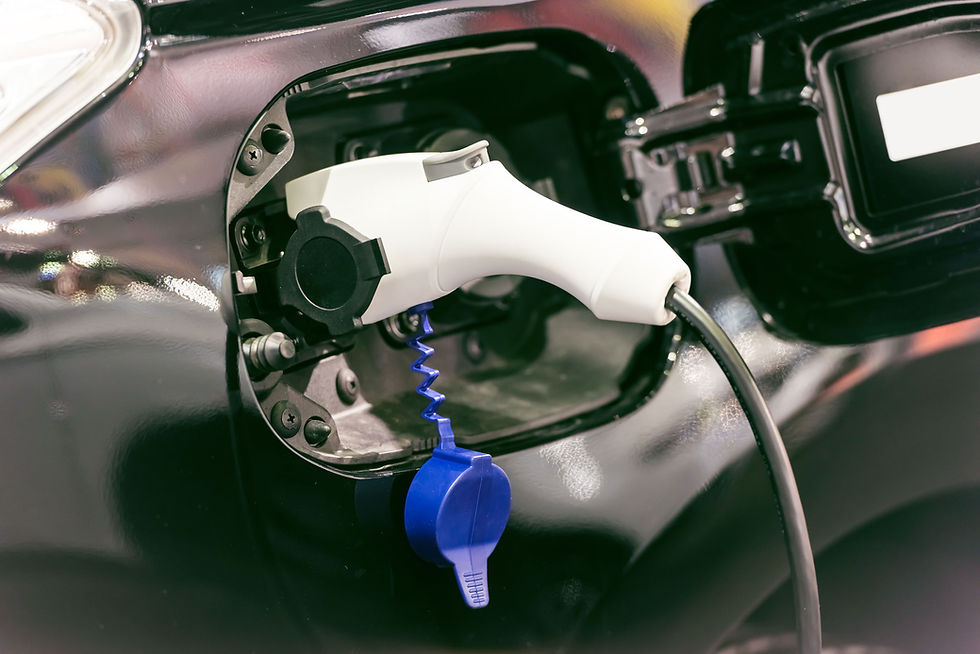
Solar generation can be considered alongside workplace or fleet charging infrastructure to support a more coordinated approach to transport and energy demand.
EV Charging

Ongoing monitoring and planned maintenance help organisations understand system performance, identify issues and protect the long-term value of the asset.
Monitoring and Maintenance
Is commercial solar suitable for your organisation?
The suitability of solar depends on several connected factors. These may include:
-
Available roof, land or car-park space
-
Building ownership and lease arrangements
-
Roof condition and structural suitability
-
Orientation, shading and surrounding buildings
-
Electricity consumption
-
Operating hours
-
Seasonal demand
-
Existing electrical infrastructure
-
Grid connection requirements
-
Planned building or operational changes
-
Financial objectives
-
Sustainability targets
A feasibility assessment helps establish which sites should be prioritised and whether further technical investigation is appropriate.


Match generation with how your organisation uses electricity
Solar performs most effectively as part of a strategy based on reliable consumption information.
Half-hourly and site-level data can help identify:
-
Daytime electricity demand
-
Seasonal consumption patterns
-
Peak operating periods
-
Base-load requirements
-
Differences between sites
-
Potential self-consumption
-
Possible surplus generation
-
Future demand from EV charging or operational changes
-
Opportunities for battery storage
This information supports more informed decisions about system capacity, location and commercial structure.
Generate energy with a clearer commercial purpose
Smarta Energy helps organisations move from an initial interest in solar to a structured on-site generation strategy. By connecting feasibility, consumption data, project delivery, battery storage, EV charging, procurement, and ongoing performance, we help ensure that solar supports broader financial, operational, and sustainability objectives.