
A Practical Route to Greater Energy Flexibility
Battery Energy Storage Systems, often referred to as BESS, are becoming an increasingly important part of modern energy strategy. For organisations facing rising electricity demand, volatile energy costs, grid constraints and decarbonisation targets, battery storage can help create greater control over how and when electricity is used.
Smarta Energy supports businesses in assessing whether battery energy storage is commercially and operationally suitable for their estate. We review consumption patterns, site requirements, existing infrastructure, procurement strategy, renewable generation opportunities and long-term energy objectives to help determine whether battery storage could form part of a wider energy solution. Battery storage is not a standalone decision. It should be assessed alongside your electricity procurement, demand profile, solar potential, operational requirements and future plans for electrification, EV charging and carbon reduction.
What is battery energy storage?
Battery energy storage systems allow electricity to be stored and used at a later time. For commercial organisations, this can be particularly valuable when paired with onsite generation such as solar PV. Electricity generated during lower-demand periods can be stored and used when the site needs it most, helping to reduce reliance on grid electricity at selected times.
Battery storage can also support wider energy-management strategies, including demand management, operational resilience, renewable energy optimisation and future electrification planning.

Why businesses are considering battery storage
Battery energy storage is not a standalone solution for every organisation. Its value depends on how, when and where energy is used. For suitable sites, battery storage can support:
Where a business generates electricity through commercial solar PV, a battery can help store excess generation and use it later, rather than exporting unused energy back to the grid. This can improve the value of on-site renewable generation and help organisations use more of the electricity they produce.
Better use of onsite solar generation

Some organisations experience high electricity demand during specific times of day or operational periods. Battery storage may help reduce reliance on grid electricity during selected peak periods, depending on consumption profile, site capacity and commercial structure.
Peak demand management

Energy flexibility is becoming increasingly important as electricity demand changes and organisations consider electrification, EV charging and low-carbon technologies. Battery storage can help businesses manage energy more actively across the day, supporting a more flexible approach to consumption.
Greater energy flexibility

For some organisations, battery storage can form part of a wider resilience strategy. This may be relevant for sites where continuity, load management or operational control is particularly important. The role of the battery will depend on system design, site infrastructure and the level of resilience required.
Improved operational resilience
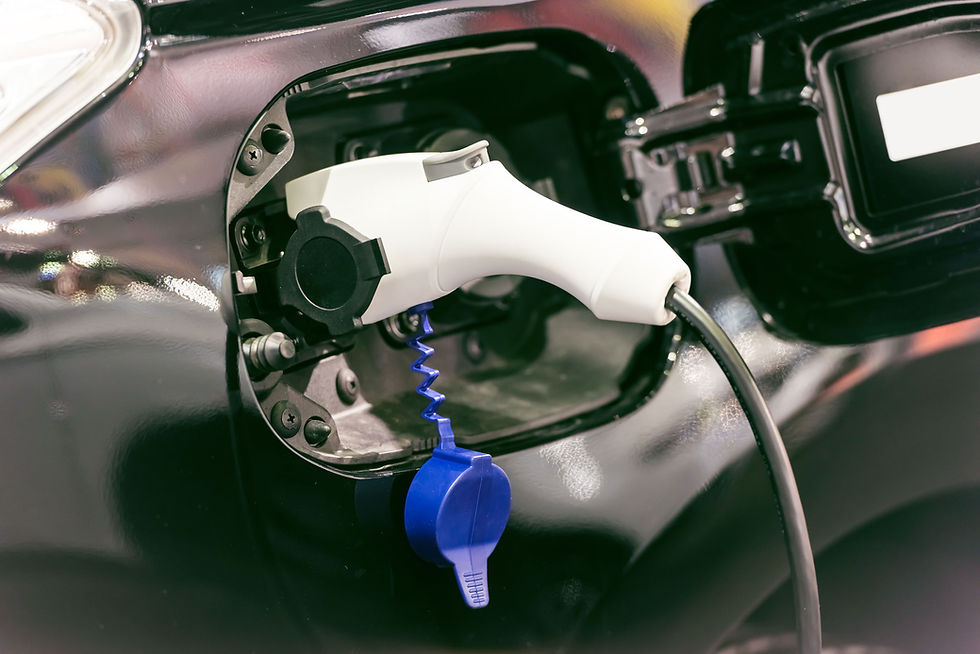
As organisations introduce electric vehicles, electric heating, process electrification or other low-carbon technologies, electricity demand may increase. Battery storage can help businesses assess how future demand could be managed more effectively alongside existing infrastructure and procurement plans.
Support for future electrification

By working alongside renewable energy solutions, battery storage can help businesses make more effective use of lower-carbon electricity and support wider sustainability objectives.
Support for decarbonisation
Is battery storage right for your organisation?
Battery storage should always be assessed against the specific requirements of the site. Before investing, businesses need to understand:
-
Current electricity consumption
-
Half-hourly usage patterns
-
Peak demand periods
-
Existing solar generation or future solar potential
-
Grid connection capacity
-
Site infrastructure
-
Export arrangements
-
Future electricity demand
-
Operational requirements
-
Commercial payback
-
Maintenance and lifecycle considerations
-
Funding or contract options
A battery system should be sized and designed around actual data, not assumptions. Oversized or poorly integrated systems may fail to deliver the expected commercial or operational benefit.


Battery storage and commercial solar
Battery storage is often considered alongside commercial solar because the two technologies can work together. Solar PV generates electricity during daylight hours. However, a business may not always use all of that electricity at the time it is generated. A battery can store some of that electricity for later use, helping the organisation increase self-consumption and reduce grid reliance during selected periods.
For multi-site organisations, this analysis may vary significantly between locations. Some sites may have strong solar and battery potential, while others may be better suited to alternative energy-management measures.
Smarta Energy helps businesses review each site individually, ensuring recommendations are based on consumption, generation potential, operational use and commercial viability.
Explore battery energy storage for your organisation
Battery energy storage could help your organisation make better use of on-site generation, manage electricity demand and improve long-term energy flexibility. Smarta Energy can help you assess the opportunity, understand the commercial case and decide whether battery storage is the right step for your estate.